

New executive aims to strengthen HR strategy at MUT
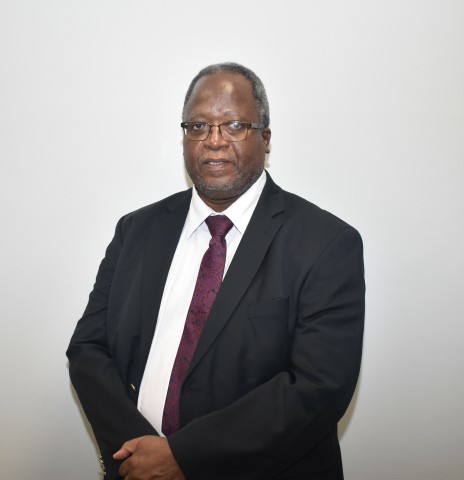
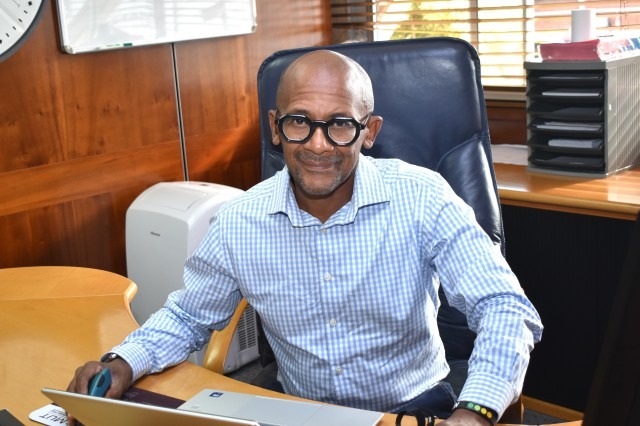
Newly appointed Human Resources and Development (HR&D) Senior Director, Sipho Mgedezi has outlined an ambitious vision to transform workplace culture and strategic HR delivery at Mangosuthu University of Technology (MUT), just weeks after joining the Institution. Mgedezi, who has been in his role for just over a month, says his decision to join MUT was both personal and strategic. Although he originally aspired to pursue a career in engineering, he long admired the University’s reputation for producing top-tier engineering graduates. “MUT had always stood out as a pioneer in creating a conducive learning environment for engineers,” he said. “When the HR&D opportunity arose, it felt like the perfect chance to contribute meaningfully using the skills I have built over the years,” Mgedezi said. Mgedezi added that the opportunity to work alongside experienced professionals and contribute to the University’s growth played a significant role in his decision. “I wanted to work
MUT marks key milestone with successful submission of Institutional Improvement Plan report
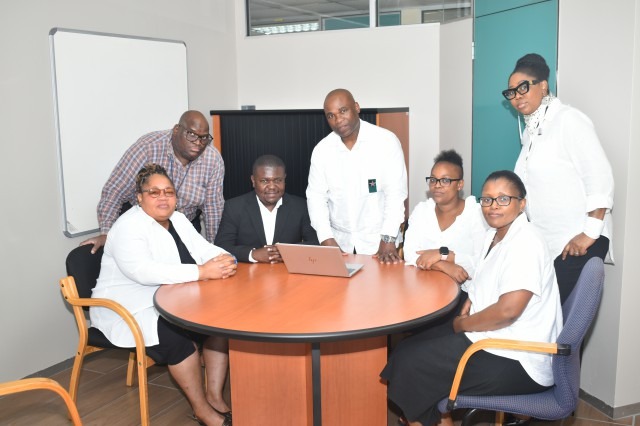
On 31 March 2026, Mangosuthu University of Technology (MUT) reached an important institutional milestone with the successful submission of its Institutional Improvement Plan (IIP) Progress Report to the Council on Higher Education (CHE), marking a strong close to the University’s first term. Led by Dr Phiwayinkosi Gumede, Director: Quality Management Directorate (QMD), the IIP Report was officially submitted on 31 March 2026, following due consideration and approval by Senate and Council. The CHE has since formally acknowledged receipt of the submission, an achievement that reflects both compliance and institutional cohesion. “This submission is particularly significant for MUT,” noted Dr Gumede, “as it demonstrates our collective ability to meet national regulatory requirements, while drawing on meaningful institutional contributions across the University.” The successful completion of the report was the result of a coordinated institutional effort. Contributions from various units ensured that the submission was both comprehensive and reflective of MUT’s commitment

MUT Engineering showcases research at national ECSA symposium
Staff from the Faculty of Engineering at Mangosuthu University of Technology (MUT), alongside former student Aluwani Gangashe, participated in a two-day symposium hosted by the Engineering Council of South Africa (ECSA) on 26 March 2026. The event, held at the Galleria Conference Centre, brought together academics, industry professionals, and stakeholders to discuss key developments in engineering education and professional registration in South Africa. A highlight of MUT’s participation was a presentation by Dr John Zvidzayi, Senior Lecturer in Mechanical Engineering, who delivered two research papers during the symposium. His work focused on the critical role of assessing graduate attributes in Work-Integrated Learning (WIL) programmes and Advanced Diploma System Design Projects. These assessment frameworks are essential in preparing graduates for the demands of the engineering profession and enhancing their prospects for professional registration with ECSA. Dr Zvidzayi’s research emphasised that structured evaluation of practical competencies not only strengthens employability but also

Professor Songca welcomes delegates to the Teaching with Technology Summit
The Mangosuthu University of Technology (MUT)’s Learning and Teaching Development Centre (LTDC) hosted the 7th Teaching with Technology Summit this week, bringing together academics, researchers, and practitioners from across the higher education sector to reflect on the evolving role of technology in teaching and learning. Opening the summit, Interim Vice-Chancellor and Principal Professor Rushiella Songca welcomed delegates from more than 10 universities, noting that their presence reflected a shared commitment to addressing common challenges in higher education. “This level of participation reflects a shared recognition that the challenges we face in higher education are collective and that meaningful progress requires collaboration,” she said. Professor Songca positioned the summit as both a catalyst for new ideas and a platform for consolidating ongoing efforts within the sector. She emphasised that while technology continues to shape the educational landscape, its value lies in how it is meaningfully integrated into pedagogy. The university also
MUT reaffirms academic integrity following CHE and SAQA oversight visit
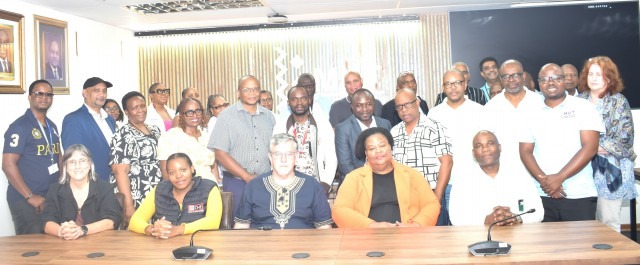
Mangosuthu University of Technology (MUT) has reaffirmed the strength of its academic offering following a joint oversight visit by the Council on Higher Education (CHE) and the South African Qualifications Authority (SAQA) on 19 March 2026. The engagement formed part of national quality assurance processes and focused on confirming the status of the University’s qualifications within the National Qualifications Framework (NQF). Dr Phiwayinkosi Gumede, Director of the Quality Management Directorate, reported that all MUT academic programmes are fully accredited by the CHE and formally registered with SAQA, with no outstanding accreditations. He noted that the University’s participation in the national re‑registration initiative is a proactive step to ensure continued alignment with updated qualification standards, while all programmes under review remain valid and registered. Dr Gumede highlighted the complementary roles of CHE and SAQA in safeguarding academic quality and graduate mobility, while adding that compliance also supports MUT’s broader strategic objectives.
MUT researchers empowered to turn discovery into impact
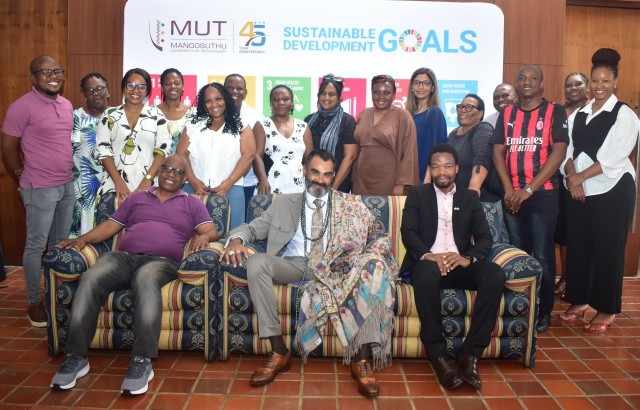
The gap between academic research and real-world application narrowed significantly this week as the Mangosuthu University of Technology (MUT) Technology Transfer Office (TTO) hosted the Research to Impact” workshop. Held on 23 March 2026, the workshop brought together academics from the Departments of Environmental and Biomedical Technology. Dr Mandla Hlongwane, Deputy Director: Technology Transfer in the Research Directorate, said the primary goal was to equip researchers with the tools to transform laboratory breakthroughs into marketplace innovations that address global health and societal challenges. The workshop provided a deep dive into the “innovation pipeline,” guiding participants through the complexities of intellectual property (IP) protection, commercialisation, and entrepreneurship. Dr Hlongwane noted that the session pushed academics to look beyond publishing papers. Researchers engaged with critical concepts, including identifying market potential, aligning research and development (R&D) with consumer needs, and exploring strategies for launching University spin-out companies. “These discussions equipped academics with a
Tech summit kicks off in Durban: Designing Education for a Digital South Africa
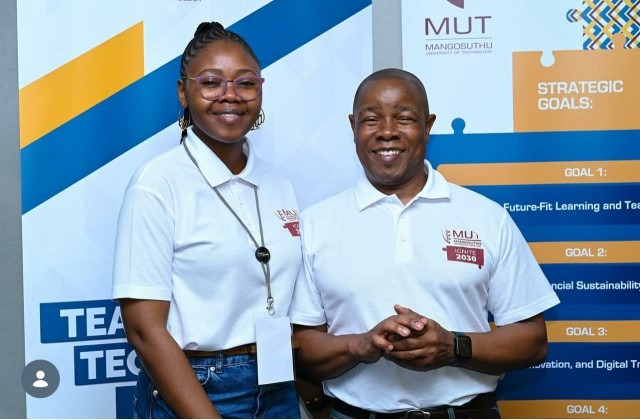
The seventh annual Teaching with Technology Summit (TWT) officially opened its doors on 26 March 2026, bringing together a global cohort of educators to tackle the evolving landscape of digital instruction. Under the theme, “Designing learning that works: technology, e-Pedagogy and the pursuit of student success,” Dr Manyane Makua, Senior Director, Learning and Teaching Development Centre (LTDC), emphasised that while the tools have changed, the core mission of education remains helping students think, question, and connect. Addressing the unique hurdles facing South African educators, Dr Makua did not shy away from the practical difficulties of the modern lecture room. “We teach in lecture rooms that experience a myriad of challenges,” Makua noted, highlighting that South Africa is not alone in these struggles. He framed the summit as a vital laboratory for solving universal educational crises, which include shrinking attention spans in an age of instant gratification; the digital divide, ensuring
Interim Vice-Chancellor sets the tone on the meaning of Human Rights Day
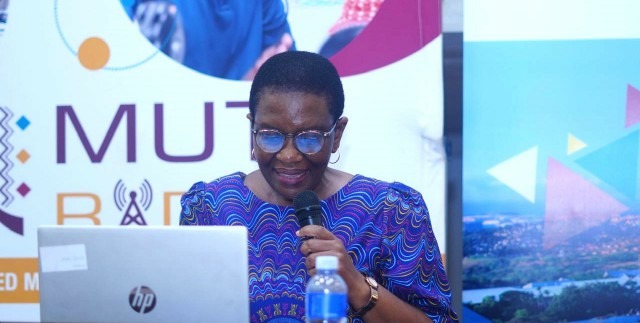
As Human Rights Day continues to be observed across the country, Professor Rushiella Songca, MUT’s Interim Vice-Chancellor and Principal, has begun shaping a conversation about how human rights are understood and practised within the university. This conversation dovetails with already established conversations that Dr Xolile Ngubane, senior director in the Office of the Vice-Chancellor, had initiated with the Human Rights Commission last year in co-hosting Human Rights Day 2026. The discussions laid the foundation for student and staff dialogue, in which a commitment to celebrate Human Rights Day was made, and the establishment of a new cadre of MUT Human Rights Champions, who will advocate for equity, justice, and inclusion across campus, was also announced. This week, Professor Songca, also regarded as a prominent South African academic and legal expert specialising in children’s rights, human rights, and the intersection of customary law with the South African Constitution, addressed an event initiated
Student voices take centre stage as MUT commemorates Human Rights Day
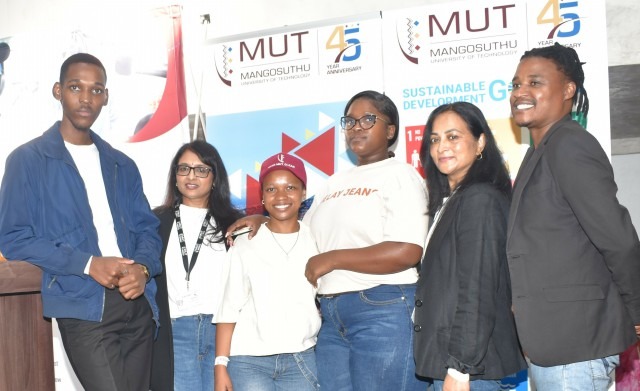
The standout speakers of the day were Mncedisi Ngubane, a first-year accounting student, Mendy Cele, a second-year Human Resources and Management student, and Sthandwa Mampuru. The three students moved the audience by reframing human rights as the students’ lived daily experiences. “Human rights are not just ideas; they are personal, and they matter now,” Ngubane declared. “They are about how we are treated in our classrooms, in our friendships, and in our daily lives.” Ngubane’s address took a bold turn toward the issue of Gender-Based Violence (GBV). Addressing the men in the room directly, he challenged the normalisation of “jokes” and attitudes that lead to harassment. He defined “true strength” through empathy and integrity, rather than dominance, urging his peers to choose “courage over comfort” by calling out harmful behaviour among friends. Following Ngubane, Mendy Cele provided a sobering look at the socio-economic barriers that prevent students from enjoying their
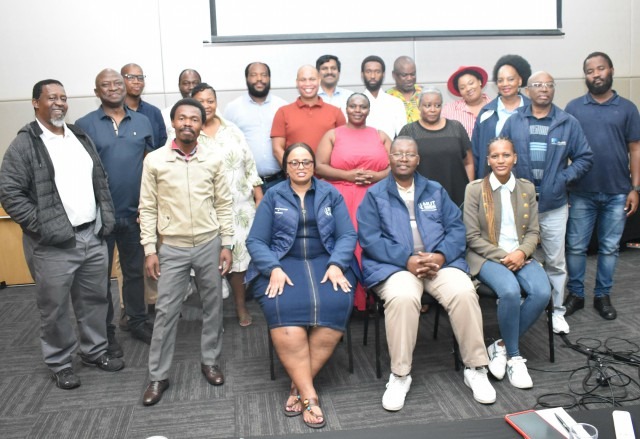
MUT Empowers EESDC to drive transformation and “Ignite 2030” Strategy
On 23 March 2026, Mangosuthu University of Technology (MUT) convened an important workshop to build the capacity of its Employment Equity and Skills Development Committee (EESDC). This is a vital move to strengthen the committee’s oversight capabilities, ensuring that the University remains a stronghold of fairness, diversity, and continuous staff development. The EESDC is a statutory structure established under the Employment Equity Act. Its primary mission is to ensure MUT complies with national legislation by fostering equal opportunities and monitoring recruitment, selection and promotion processes to eliminate unfair discrimination. Bathabile Wella, Head of Organisation Development: Human Resources and Development, said the committee has a specific mandate to advance the interests of designated groups that were historically disadvantaged during the apartheid era. “By reviewing progress against the Institution’s Employment Equity Plan, the 25-member committee ensures that transformation is an operational reality rather than just a compliance checkbox,” said Wella. The workshop