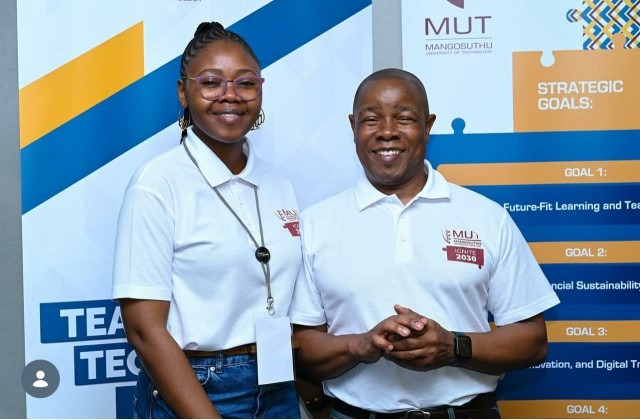
The seventh annual Teaching with Technology Summit (TWT) officially opened its doors on 26 March 2026, bringing together a global cohort of educators to tackle the evolving landscape of digital instruction. Under the theme, “Designing learning that works: technology, e-Pedagogy and the pursuit of student success,” Dr Manyane Makua, Senior Director, Learning and Teaching Development Centre (LTDC), emphasised that while the tools have changed, the core mission of education remains helping students think, question, and connect.
Addressing the unique hurdles facing South African educators, Dr Makua did not shy away from the practical difficulties of the modern lecture room. “We teach in lecture rooms that experience a myriad of challenges,” Makua noted, highlighting that South Africa is not alone in these struggles. He framed the summit as a vital laboratory for solving universal educational crises, which include shrinking attention spans in an age of instant gratification; the digital divide, ensuring technology bridges gaps rather than widening inequality; and the AI revolution, questioning how to teach ethics and critical thinking when AI can generate assignments faster than they can be read.
The highlight of the morning was the introduction of the summit’s keynote speaker, the world-renowned Professor Diana Laurillard from the United Kingdom. Professor Laurillard is best known for her pioneering Conversational Framework, a model that places dialogue between teachers, students, and machines at the heart of the learning process. “She has shown us that screens do not replace people; they amplify them, if we design them right,” Makua told the audience.
The two-day summit will see academics from across the globe delve into technical workshops and pedagogical debates. As the summit continues through Friday, the focus remains clear: navigating the “magic and the mess” of technology to ensure South African students are not just tech-literate, but truly empowered.