
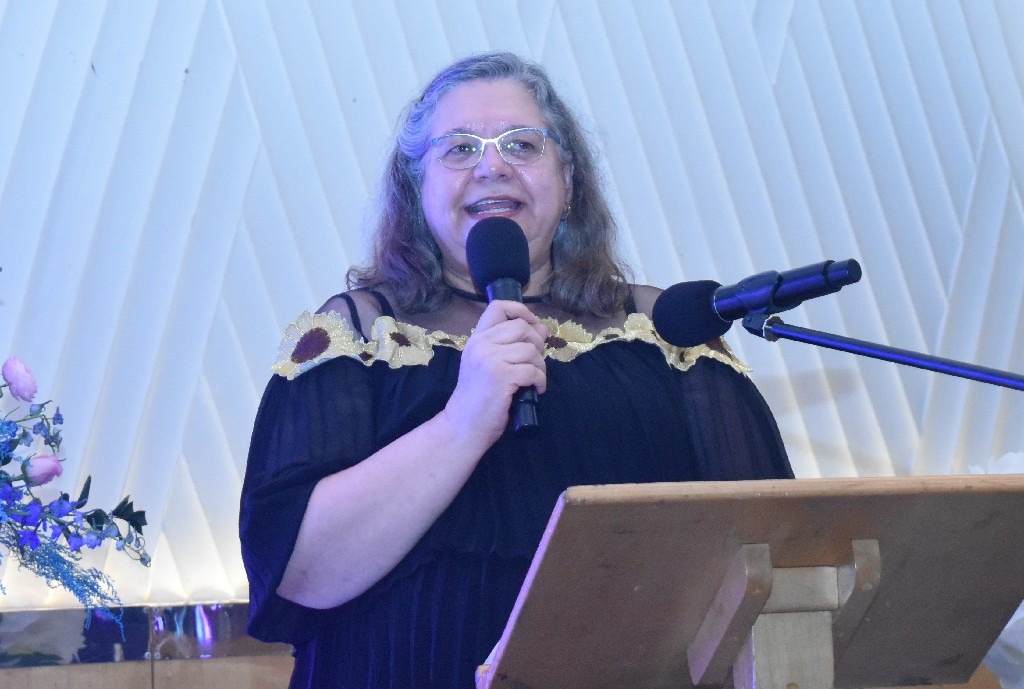
The adage “leave the stage while they are still clapping” encapsulates a profound principle of leadership and legacy. This phrase underscores the importance of recognising the appropriate time to step away—not due to a diminished capacity or need, but because one’s contributions have been executed with such excellence and completeness that one’s absence will elicit admiration rather than relief. It emphasises the importance of concluding a tenure on a strong note, exiting gracefully, and paving the way for emerging leaders—while the accolades remain earnest, resonant, and well-deserved.
Dr Anette Mienie, interim Deputy Vice-Chancellor for Research, Innovation, and Engagements, is currently undertaking a thoughtful transition as she prepares for her retirement next year—a transition characterised not by a subdued departure, but by a commendable farewell that reflects her impactful leadership. Her tenure has been distinguished by vision, integrity, and a profound commitment to the development of those within her sphere of influence.
The rapport that Dr Mienie has cultivated within the MUT research community has always been grounded in a foundation of mutual respect. Her leadership style transcended mere management; it involved keen observation, encouragement, and celebration of the contributions of others. Her accolades for colleagues reveal not only professionalism but heartfelt recognition of their efforts.
Paying tribute to some of her star researchers, Dr Mienie described them as follows:
- Dr Yvonne Mvuyana as “Our international ambassador. This woman is chasing big dreams.
- Dr Richard Chidzonga as a professional whose “industry experience brings a unique and valuable insight to securing research funding.”
- Dr Karishma Singh as a formidable force, stating, “I am in awe of her ability to set research targets and then secure the resources necessary to achieve them.”
- Professor Sandile Ngcobo as a foundational support figure: “Whenever there is a call for research planning or support, he is the first to volunteer.”
- Nokukhanya Thembane, who possesses “an amazing ability to focus her efforts on the most worthwhile opportunities.”
- Dr Mpuzu Sikwela, who “instills a genuine passion for research within his students.”
- Dr Kavita Behara, whose unwavering commitment is evident: “Her emphasis on maintaining research quality remains uncompromised, even when faced with urgent requests.”
These observations are not mere compliments; they represent her recognition of potential in others and an enduring pride in their achievements.
Dr Mienie’s concluding remarks resonate profoundly: “The MUT research community is exceptional, and I foresee them taking MUT to new heights and establishing our brand as highly sought after.”
It is truly indicative of an extraordinary leader to exit with such assurance—not out of a sense of completion, but rather from a conviction that the foundation she has built is robust and that the future holds tremendous promise.
As Dr Mienie prepares to exit the stage, the applause persists—not due to a desire for her departure, but as a tribute to the myriad contributions she has made. She will be departing not with a definitive period, but with an emphatic exclamation point, and she leaves MUT with a legacy that enhances her collective journey forward than she found MUT.