
As Mangosuthu University of Technology (MUT) shifts gears from strategic design to active implementation of IGNITE 2030, the Directorate of Institutional Planning and Research (DIPR) is leading by example.
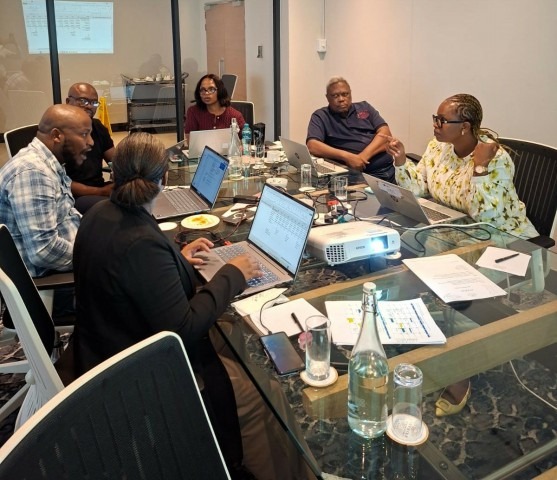
In a move to ensure the University’s 2026–2030 strategy remains a living, breathing roadmap rather than a “document on a shelf,” DIPR recently held an intensive internal strategic breakaway session on Monday, 16 February 2026. The focus? Strengthening internal alignment and building the operational resilience necessary to support the entire institution through this five-year journey.
Dr Liile Lerato Lekena-Bayaga, Senior Director of DIPR, emphasised that the directorate’s role is to serve as a practical guide for the rest of the university. To do this effectively, DIPR “test-drives” every planning and reporting tool internally before rolling them out to other divisions.
“When we support divisions, we’re not guessing, we’re guiding with confidence,” said Dr Lekena-Bayaga. “IGNITE 2030 is a daily way of working. We ensure the tools we provide are practical, implementable, and aligned to governance requirements.”
This year’s institutional theme, ‘Building Operational Resilience,’ was the cornerstone of the DIPR breakaway. The directorate is moving away from fragile systems where institutional knowledge is held by only a few individuals.
Ayanda Nongogo, Director of Monitoring, Evaluation, and Review (MER), was vocal about eliminating “single points of failure.”
- No “Only One Person Knows”: Knowledge and planning know-how are being embedded across the entire directorate.
- Business Continuity Plans (BCP): DIPR has developed its own BCP ahead of institutional workshops to ensure the directorate remains responsive, even in times of disruption.
- Integrated Performance: The session finalised the DIPR Directorate Operational Plan (DOP), ensuring it aligns perfectly with the Institutional Operational Plan (IOP) and the Annual Performance Plan (APP).
“If IGNITE 2030 is the engine, then aligned plans and BCPs are the fuel that keep MUT moving,” Nongogo noted. DIPR is also championing a shift in language across the university. The directorate is encouraging divisions to use the term “implementation plan” rather than “directorate strategic plan.” This subtle yet vital shift reinforces the idea that MUT has a unified institutional strategy and that every division’s role is to implement its specific portion of that vision.
Tebello Mofokeng, Deputy Director: Management Information Institutional Planning, summed up the energy of the session: “We are not waiting for perfection, we are building momentum. IGNITE 2030 is about action, alignment, and keeping the university future ready.”
In collaboration with MarComms, DIPR has announced that progress updates, tangible milestones, and “lessons learned” will be shared weekly on the Special GnF platform.
These updates will spotlight best practices from across the university, providing the university community with a roadmap of success stories to build on the momentum for IGNITE 2030.